Event Day Essentials: Porta Potty Rental Boston Checklist
Boston event logistics have a rhythm to them. You plan around crowds and timing, you map out deliveries, you call for permits when you need them, and you think you’re prepared. Then event day arrives, and the first thing people notice is what they can’t ignore: the restroom situation. You can have great music, perfect signage, and a smooth entry line, and still lose goodwill if the toilets run out, smell too strongly, or are placed where guests have to do an awkward detour.
A solid Porta Potty Rental Boston plan is not just a matter of dropping off a few units. It’s about matching the right number of portable toilets on rent to your expected attendance, choosing placement that feels intuitive, and planning servicing so the restrooms stay usable through the final hour. Below is the checklist I use, refined through real event runs, quick turnarounds, and those “we underestimated” moments that teach you more than any spreadsheet.
Start with the reality of your crowd, not the flyer
The most common mistake I see is choosing based on a vague headcount, then assuming “it’ll probably be fine.” Restrooms are one of those services where “probably” can turn into a queue, and once a queue forms, people start bouncing to the nearest alternatives, which spreads the problem.
Instead, estimate traffic like a human. Think in waves.
At a concert, people arrive in bursts. At a backyard-style fundraiser, guests may trickle in. At a youth tournament, you may see repeat demand in short cycles. If alcohol is involved, expect more demand per person, especially during the peak set or keynote. If the event lasts four hours instead of two, the need grows in a way that feels disproportionate, because the same guests cycle back at predictable times.
When you request Portable Toilet Rental for Boston, give your rental provider a clear picture: the start and end time, whether the event is seated or standing, and whether there are other restroom options nearby. Even a rough note helps, like “we will have indoor restrooms for staff only” or “we have portable handwashing stations on site.”
Placement: the decision that prevents complaints
You can rent the right toilets and still end up with a bad experience if people have to hunt for them.
Placement is where event day friction is created or avoided. Guests want restrooms that are visible, safely accessible, and not tucked behind something that blocks sightlines. If you place units too close to foot traffic, you get congestion around the doors. If you place them too far, you get the same congestion somewhere else, in the parking lot, behind a stack of cases, or at the perimeter where you definitely do not want foot traffic.
A practical approach is to place toilets near major pathways, but with enough separation that the area does not become a bottleneck. If the event has multiple zones, consider splitting capacity across zones rather than sending everyone to one distant corner. That reduces walking time and spreads demand.
Also pay attention to the ground. Boston weather is real, even in seasons people consider “good.” Units need stable footing. If the site is uneven or muddy, placement becomes a service issue, not just a comfort issue. That’s why site readiness and delivery planning matter just as much as number of units.
Quick on-site placement mindset
If guests can find the toilets in the first few minutes, they will usually use them consistently. If they cannot, the demand shifts to whatever is convenient, and you will feel that shift in real time.
Know your servicing window, because a “drop-off only” plan can backfire
Some rentals are delivered and picked up, with no ongoing attention. That can work for very short events with low usage, but for most public gatherings, you want a servicing plan that matches the demand curve.
Here’s the trade-off that surprises people: the more time the event runs, the more likely you need regular servicing. Even if usage feels moderate early on, a later surge can overwhelm capacity. Odor and cleanliness also change over time, especially if temperatures rise or if the units sit under direct sun without relief.
When discussing portable toilets on rent with portable toilet rental companies, ask how servicing works for your specific scenario. You do not need to overload the site with frequent visits, but you also do not want to discover at the halfway point that the units are trending toward “full.”
The best providers plan servicing around the site and usage, not around generic schedules. Give them your event timing and any constraints, like whether roads must remain open or whether a truck can only access at certain hours.
Boston-specific considerations: access, permits, and timing
Boston sites are often not simple blank lots. You may have street parking restrictions, narrow access points, or delivery windows that force a little choreography. If you are running an event in or near dense neighborhoods, ask about the delivery plan early. You want to avoid the scenario where the driver arrives, finds the access blocked, and needs a delayed reschedule.
Plan for what happens if the site is behind gates or needs a permit. Your provider may be familiar with typical processes, but you still need the right contact on event day. If the rental driver cannot reach the person who can guide placement, everything slows down.
Also consider municipal realities like water runoff. You might not think about it when you’re ordering toilets, but placement needs to avoid areas where water will pool. That can affect cleanliness and, depending on the site surface, create a mess you will notice instantly once the first rain hits.
The emergency factor: have a backup path
Sometimes your original plan is wrong. Maybe attendance climbs faster than expected. Maybe another vendor cancels indoor facilities. Maybe a weather delay changes the timeline. When that happens, you want a provider that can adjust quickly, which is where emergency portable toilet rental becomes relevant.
For Boston events, treat emergency capacity like a seatbelt. You hope you never need it, but you want it ready. The real value is not just having extra units available. It’s having a provider who understands how to respond quickly without turning your event site into chaos.
If you’re planning a high-visibility event, ask the rental company about adjustment timelines. Can they send additional units the same day? What lead time do they typically need for delivery and placement? Do they also offer Portable Toilet Rental add-ons like handwashing stations or additional servicing?
The goal is simple: if you see demand climbing beyond your plan, you should be able to react before guests start spreading their disappointment.
Estimate quantity with real math, not vibes
No single number works for every event, but you can narrow it down with sensible assumptions. Demand depends on time length, alcohol, heat, and the availability of other restrooms. Still, a structured estimate helps you avoid both extremes: under-renting (which creates queues and complaints) and over-renting (which wastes money and sometimes increases congestion).
If you are unsure, use a “conservative estimate, flexible servicing” approach. It’s easier to manage a few extra toilets than to fix a shortage mid-event. Just be careful: too many toilets clustered in one area can still create crowding around doors. Balance quantity and placement.
A good provider will ask you questions, and they should. If you only receive a quote with no follow-up, that’s a yellow flag. The best portable toilet rental companies treat sizing as 24/7 emergency portable toilet rental a planning conversation.
Capacity and usage signals to consider
- Event length and peak timing (for example, a two-hour rush vs. Steady usage)
- Whether there are alcohol sales or heavy refreshments
- Access to indoor restrooms for attendees, even partial access
- The likelihood of a weather shift that extends time on site
Those questions drive your final decision more than any generic “X people per unit” rule.
A Boston event-day checklist you can actually use
You want something you can print or keep on your phone. This one focuses on the details that prevent last-minute problems. It also helps you coordinate with your rental driver, your site manager, and your team.
Event day essentials checklist
- Confirm delivery window, placement layout, and the on-site contact number for the driver
- Verify the units are accessible, on stable ground, and positioned near main walkways
- Confirm servicing schedule for the full event duration, not just the opening hours
- Ensure supplies are present where needed, like handwashing stations (if included) and signage
- Identify where waste servicing access will be allowed if pickups or mid-event service are needed
If you can complete these items, you remove most of the common failure points.
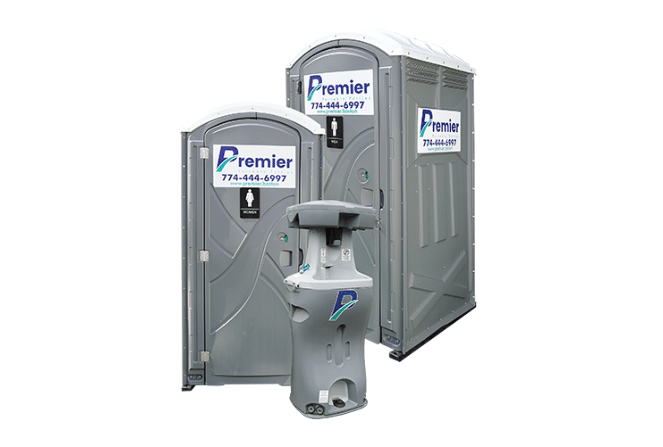
Don’t ignore cleanliness and odor management
People are forgiving when conditions are decent, and they’re unforgiving when they feel dirty or uncomfortable. Cleanliness is not just a “nice to have.” It affects usage. If a unit becomes unpleasant, guests stop using it, even if it still has capacity. That can create a false shortage, because the effective number of usable toilets drops as cleanliness declines.
That’s why servicing matters. It also helps to ask your provider how they handle cleaning and waste management. You want transparency, not mystery. You do not need to know every technical step, but you should know what will happen during your event window.
If your event runs in hot weather, odor can intensify quickly. Even the best unit can become a problem if it sits without attention. When you discuss Portable Toilet Rental options, ask how the plan changes if temperatures rise or if usage outpaces your estimate.
Think about accessibility, especially if you serve mixed groups
Most events have a mix of attendees, including people with limited mobility. If you are organizing a public event, you need restrooms that everyone can use comfortably and safely.
That usually means including accessible units and ensuring paths to the units are navigable. If the site is on gravel, uneven portable toilets to rent paving, or temporary flooring, you need to confirm that access is practical.
You also want clear signage so guests do not have to guess where accessible options are. In busy situations, people will choose the first usable route. Good signage reduces wandering and improves fairness.
Accessibility is one of those areas where planning early saves you both complaints and last-minute scramble. A good rental provider will help you select what fits your event needs.
Budget reality: what “cheap portable toilet rental” often hides
Cost matters, but “cheap” can be misleading if the lowest price comes with trade-offs you only notice during the event.
Here are some factors that affect cost, and where people get surprised:
- The number of units, including accessible options
- Event duration and the servicing level included
- Delivery and placement complexity (tight streets, gated sites, difficult access)
- Whether handwashing stations are included
- Whether emergency adjustments are possible
When you’re shopping for cheap portable toilet rental, ask what’s included in the price. “Delivery and pickup” is not the same as “serviced throughout.” A deal that looks great on a quote can become expensive if you need to add units later because service was not planned.
The sweet spot usually comes from matching your budget to a realistic servicing plan. You may not need the most expensive setup, but you should not cut servicing too close to the event duration. That is where you lose control.
Timing strategy: order earlier, but plan for the actual day
Booking early improves availability. In Boston, busy seasons can fill up, especially for weekends and large events. But even if you book early, you still need a plan for event day coordination.
Confirm the responsibilities between your team and the rental provider. Who will be the point person for access? Who will guide placement if the site has multiple entrances? Who handles last-minute changes if attendance jumps?
The best events run smoothly because communication is clear. If your team is understaffed, the event day point person becomes a bottleneck. Make sure someone has the authority to make placement decisions quickly.
Even a small delay can cascade. A driver waiting for access becomes a schedule shift. A schedule shift impacts placement, and placement impacts guest experience.
When handwashing stations matter more than you think
Restrooms and hand hygiene go together. Even if you plan toilets perfectly, handwashing changes the guest perception from “temporary inconvenience” to “we’re prepared.”
If your event involves food vendors, family audiences, or longer durations, handwashing stations become more important. People may not think about hygiene, but they react when it’s missing.
If your Porta Potty Rental Boston provider offers handwashing add-ons, ask whether the station setup affects placement space. You want it close enough to be used, not so close that it creates another bottleneck near doors.
In practice, a good setup places handwashing stations near restroom access points, with a clear pathway that avoids crowding.
Troubleshooting edge cases before they happen
Every event has variables. Here are a few scenarios that often require judgment calls.
If you have a remote site, like a field with limited vehicle access, confirm how the provider will place units. If placement takes longer, you might need earlier delivery windows. If you have a tight schedule, prioritize fewer complicated placements over spreading toilets into areas where access is slow.
If your event is indoors with doors and narrow hallways, you might not have an ideal placement option. Portable toilets can still work, but the logistics differ. You may need guidance on safe placement and ventilation considerations.
If your event is a nighttime program, visibility matters. People should be able to find units even after sunset. That means signage and placement aligned with lighting on site.
These aren’t theoretical issues. They’re the ones that create stories people tell later, whether good or bad.
A few questions to ask your rental provider
A strong provider will answer clearly and ask you questions back. That’s a good sign. When I talk with clients, I often focus on these topics because they determine whether your event ends with calm satisfaction or a scramble.
- What’s the typical servicing schedule for events like mine in Boston
- How do you handle emergency portable toilet rental if attendance changes
- What’s included in the quote, delivery, pickup, servicing, and any add-ons
- How do you advise on placement for crowds and site traffic patterns
- Do you supply accessible units, and how do you confirm access routes
You do not need a long call. You need crisp answers and a plan you can explain to your team.
What the best event teams do differently
Some events are smooth. You can usually trace that to a few habits that don’t feel glamorous, but they work.
They treat the restroom area like a feature of the event, not an afterthought. They keep signage visible and placement intuitive. They plan for service so cleanliness is stable. They assign a person to coordinate with the driver and handle changes without drama.
They also understand that restroom demand behaves differently depending on timing. The hour before the peak moment is not the same as the hour after. If you are staffing and preparing your event, you should think the same way about toilets, especially during peak surges.
That kind of planning is the difference between “we’re okay” and “people are grateful it’s handled.”
Final planning notes for Boston events
If you remember nothing else, remember this: the restroom experience affects how people feel about the entire event. Guests may not compliment your event’s toilet strategy, but they will absolutely share their frustration if it goes wrong.
A good Portable Toilet Rental plan includes the right number of units, smart placement, a servicing schedule that matches the event length, and a clear path for emergencies. It also includes the small details, like ensuring access routes and signage are ready, and confirming that your site contact is reachable during delivery.
If you approach it with the same seriousness you give to stage power and vendor check-in, you will avoid the most common problems. And you will get to enjoy the event, instead of working the perimeter with a phone and a worried look.
If you want, tell me your event type, expected attendance range, event duration, and whether there are nearby restroom options. I can help you think through a realistic starting point for Porta Potty Rental Boston and the servicing level you should ask for.
Premier Portable Potties
35 Industrial Dr, East Bridgewater, MA 02333, United States
(774) 444-6997
[email protected]
website: https://www.premier.boston/