Emergency Portable Toilet Rental Boston: When Every Minute Counts
When an emergency hits, it rarely comes with a neat checklist. A burst water main, a sudden construction shutdown, a late-night event that suddenly has to move indoors, or a cleanup crew that needs to get moving before the smell becomes the story. In those moments, the biggest problem is time, not paperwork. And time is the one thing you cannot rent.
That is where emergency portable toilet rental in Boston makes a real difference. The right portable toilet rental companies do not just drop off units. They help you solve the immediate need for sanitation, privacy, and compliance so the site can keep operating without turning into a health risk or a public complaint.
The difference between “we can deliver” and “we can respond”
Most people think about portable toilets on rent as a scheduling problem. In normal conditions, you call a few days ahead, confirm service, and wait for the delivery window.
Emergency portable toilet rental is different. You are usually dealing with at least one of these pressures:
You need units on site quickly, sometimes within the same day or a tight next-day window.
You may not have a full headcount yet, so the number of units has to be sized carefully. The situation might be messy. That affects which type of unit makes sense and how quickly waste removal needs to happen.From experience, the companies that handle emergencies well have three traits. First, they communicate clearly about arrival windows and what they need from you, like access instructions and a spot for the truck to stage. Second, they understand site reality, including stairs, narrow driveways, street access, and soft ground. Third, they treat sanitation like the priority it is, not an afterthought.
A “next week” delivery plan might be acceptable for a low-traffic event. In an emergency, it can turn a fix into a liability.
Common emergency scenarios in Boston (and what they demand)
Boston has dense neighborhoods, older buildings, and plenty of sites where access is limited. That matters when you need portable toilet rental quickly, because the fastest delivery route is not always the one you would choose in a calm planning phase.
Here are a few real-world scenarios that often lead people to search for portable toilets on rent on short notice:
During urgent construction and repair work, crews may be mobilized quickly but restroom access cannot keep up. If someone is already on site, the crew needs sanitation immediately, not “when the next trailer arrives.”
After water damage, mold remediation, or sewage backup, the situation can become both urgent and sensitive. Occupants may need temporary facilities while access to building restrooms is restricted.
City events and community functions sometimes change locations or timing. A weather move, a permit adjustment, or a delayed setup can compress timelines fast. If you promised restrooms, you cannot just hope for the best.
Private property cleanups after storms or incidents are another frequent trigger. The homeowner portable toilets to rent wants https://local.gocommercially.com/east-bridgewater/professional-services/premier-portable-potties help without waiting for a formal schedule, and the crew needs a sanitary solution that is predictable.
Even public works support can land in emergency territory, especially when crews respond to hazards and must remain onsite for extended periods.
Each situation changes the decision on unit type, placement, and servicing frequency.
Choosing the right unit when you do not have time to guess
Portable toilet rental is not a one-size-fits-all transaction. In emergencies, the “good enough” option can fail you in ways that cost time later, like odors, insufficient capacity, or inadequate accessibility.
The good portable toilet rental companies will ask the right questions quickly, but you still need to know what you are looking at.
Standard portable toilets
These are the most common units, often the best choice when you need speed and reliable sanitation. They work for job sites and many emergency cleanups, especially when you have a steady stream of users.
ADA accessible portable toilets
If the site has a need for accessible facilities, ADA units are the practical choice. In emergencies, it can be easy to overlook accessibility until someone requests it, or until a supervisor realizes they are missing what is required. Planning early prevents scrambling later.
Handwash stations and hygiene add-ons
In a health-sensitive emergency, hygiene matters as much as the toilet itself. Many rentals can be paired with handwashing stations. If your emergency involves cleanup where contamination is possible, adding handwash support is often the difference between a temporary solution and a workable one.
There are also units that are designed for higher usage. If you are expecting heavy traffic, a single unit can become a bottleneck quickly. The unit count is only part of it. Servicing cadence matters too.
How many units do you actually need?
This is the question everyone asks, and it is also the one people try to answer with a single number. Real usage varies by shift length, user behavior, and whether there is an existing restroom at all. In a true emergency, it is common that the total number of users is still being confirmed.
The safest approach is to size for current need, then adjust quickly if usage rises. If you are forced to make a decision without full headcount, it helps to think in terms of workload: how long people will be on site, whether you expect frequent breaks, and whether the environment is high stress or uncomfortable (which can change restroom behavior).
When you call for emergency portable toilet rental, a competent provider will help you estimate based on: Anticipated occupancy,
Estimated duration of the emergency, Site conditions, like whether people will walk far or need to travel within a restricted area, And whether you have any restroom availability inside a building.That last point is tricky. Even if a building has restrooms, damage might limit access. Sometimes only part of the building is usable, which means the effective capacity is far lower than you would expect.
Pricing: what “cheap portable toilet rental” can mean during emergencies
Price is usually the deciding factor, until the cheapest option fails you.
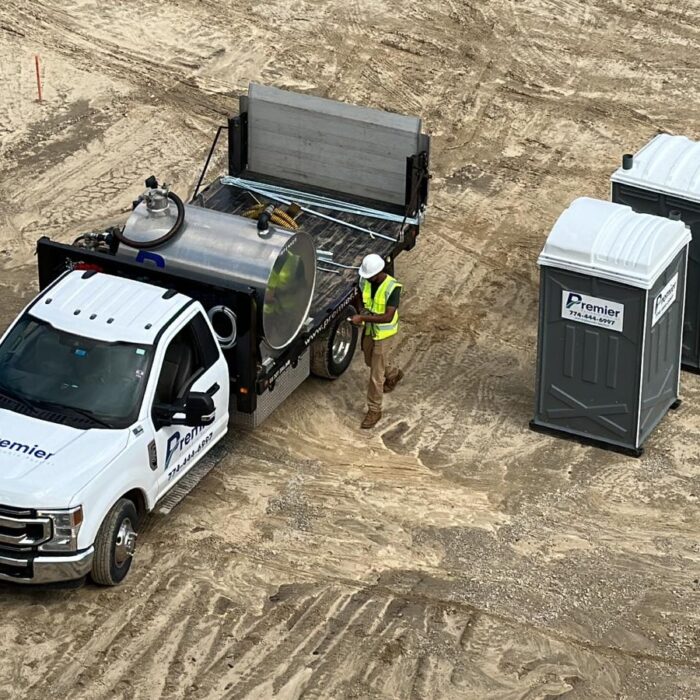
“Cheap portable toilet rental” in Boston can look attractive in a quote, but emergency timelines often change the cost structure. Delivering faster, handling tighter scheduling, and making service calls more frequently can raise the price even when the unit itself is the same. That does not mean you are getting ripped off. It often means you are paying for logistics that are hard to schedule.
Here is what you should ask so cost does not surprise you later: Is the quote including delivery and pickup, or only the unit rental?
How often does servicing occur, and is it included for the timeframe you need? Are there extra charges for challenging access, like limited street parking, loading constraints, or moving units across soft ground? What is the unit count assumption, and can it be adjusted quickly? Do they provide handwash options, and what does that add?A clean quote is not just about numbers. It is about clarity on what happens if your usage changes or the emergency extends. In my experience, the most expensive decision is the one that looks cheap upfront but forces repeat deliveries or last-minute upgrades.
Placement matters more than people think
In an emergency, you are tempted to put the portable toilet somewhere “close enough.” That can work, but placement affects usability, safety, and sanitation outcomes.
Good placement means: The unit is accessible without people crossing unsafe areas,
The area has enough clearance for servicing equipment, The ground is stable, And the unit does not create a nuisance near entrances, windows, or walkways.Boston sites can be tight. You might have a narrow driveway, a backyard with limited access, or a public sidewalk nearby. If a unit blocks a path or is placed where people cannot reach it quickly, usage patterns will shift and the unit may fill up faster than expected.
Also consider wind direction and proximity to building openings. Odor problems are rarely a “bad unit” issue, they are usually a placement issue combined with usage and servicing frequency.
When you request emergency portable toilet rental, tell the provider exactly where foot traffic will be. A quick site walk with a driver or service lead can prevent a lot of headaches.
A quick reality check on “private” use and public visibility
Boston residents are sensitive to noise and nuisance. If your emergency situation involves a location visible from the street or a shared walkway, consider privacy and discretion.
Using partitions, positioning units out of sight where possible, and ensuring the area is lit if people will use it at night can reduce complaints. It also helps your crews focus on the work rather than managing public attention.
This is another reason communication with portable toilet rental companies matters. The provider should understand how to stage units responsibly, not just drop them and move on.
What a good emergency portable toilet rental process looks like
Even when time is short, the best providers follow a process that protects both you and them.
You will usually start with a call or online request that covers location, timing, and usage needs. The provider then confirms access conditions, decides on unit types, and schedules delivery. After delivery, they plan servicing, often with a plan for how waste removal will be handled over the emergency window.
If your emergency extends, you want a provider that can adjust. A unit that is enough today can be insufficient tomorrow, and that is not a moral failing. It is what happens when emergencies evolve.
If you are worried about documentation, ask what you get at pickup, and whether you receive paperwork tied to service. For many situations, clients need confirmation for internal records. For others, it is compliance and coordination with property managers or contractors.
Practical instructions you can handle immediately
You might not be able to solve everything during an emergency, but you can reduce delays by preparing what the provider needs before they arrive.
Here is the small checklist that tends to matter most when response time is tight:
- Provide the exact delivery address and the closest safe drop-off point for the truck
- Confirm whether the area has stairs, soft ground, or limited access for rolling units
- Tell the provider your best estimate of users and whether the unit will serve one shift or multiple
- Specify any accessibility needs, including whether an ADA portable toilet is required
- Let them know your service window, when you want pickups or servicing to occur
That five-item list rarely solves everything, but it prevents the most common delivery failures: missed access, incorrect staging location, and inaccurate unit count assumptions.
When an emergency turns into a multi-day situation
Sometimes an emergency is not a single night. A cleanup can stretch. A repair can lag. A storm can follow the first event.
In multi-day emergencies, the biggest shift is servicing frequency and odor management. A unit that is fine on day one can become a problem if servicing lags behind usage. The right portable toilet rental companies build servicing into the plan rather than treating it as optional.
A common mistake I have seen is underestimating the time it takes to get back to normal operations. If you are booking for “a day or two,” you might be forced into an expensive do-over. If you are already sure it will be several days, it is usually smarter to book the timeframe realistically, even if you hope it ends sooner.
If you are not sure, ask the provider about flexible extensions. Some rentals allow you to extend service without restarting everything from scratch.
Edge cases: when portable toilets get tricky
Most emergency requests are straightforward, but some situations require extra judgment.
If the area is near storm drains or slopes, the ground might need leveling or additional placement considerations. If you have heavy mud or debris, units can become harder to service, which leads to delays. If you have restricted access hours, the provider may need to schedule around those constraints.
Also consider that emergencies can involve sensitive spaces. For example, if the area is within a commercial building footprint and you are waiting on building inspections, you might be managing access control. In those cases, unit placement must align with security and safety.
There is also the question of waste management concerns. You want a provider that handles waste removal responsibly and consistently. You do not want to “make it work” with an unreliable schedule.
In the middle of an emergency, it is tempting to accept vague assurances. I recommend pushing for specifics, even if you keep the conversation short. “What time will you deliver?” “How often will you service?” “Where will it be placed?” Those questions are not overkill. They are how you prevent a second crisis.
What to expect from portable toilet rental in Boston neighborhoods
Boston is not uniform. Access and logistics vary by neighborhood and by street layout.
In dense areas, you may have parking constraints for the delivery truck. In others, alleys and side streets can make staging harder. Building entrances may have steps, narrow doors, or temporary barricades.
A provider familiar with the city will plan around that. They will know how to stage units so they do not get trapped by traffic restrictions or construction staging.
If you are working with portable toilet rental companies that serve multiple clients across the city, you usually see better coordination. They are more likely to anticipate common access issues, like where a truck can stop safely and how units can be rolled without tearing up the ground.
How to coordinate with contractors or property managers
In many emergencies, you are not the only decision-maker. Contractors may be managing the work, while property managers handle approvals. If you coordinate poorly, you end up with the toilet delivered to the wrong spot or the wrong time.
The simplest approach is to keep communication tight. Provide the provider with: The contact person on your side for delivery coordination,
The exact location and the safest access path, And any restrictions, like “no deliveries before 9 a.m.” or “units must be placed behind the fence line.”If there is a contract or building protocol, ask for it quickly. Some properties require specific placement rules. Some require that the area be secured at night. None of this is unusual, but in emergencies, details can get skipped unless you force clarity up front.
Regaining normalcy: the pickup and cleanup phase
The emergency does not end when people stop using the unit. Pickup and cleanup is part of the story. If waste removal is handled too late, the area can become unusable again, and if it is rushed without proper handling, you risk mess and delays.
A good provider will coordinate pickup based on the rental end date and the service schedule. If your emergency ends early, you can often request earlier pickup, but ask first. Some providers have logistics routes that depend on planning.
Make sure the rental plan matches your reality. If you think you will be done Friday, do not schedule only for “Thursday night” unless you can guarantee the situation truly clears. It is better to build flexibility into the plan than to scramble when the unit is still in use.
A note on compliance and responsibility
Sanitation is not just comfort. It is a health and safety responsibility. Even when it is a temporary emergency measure, you want it done with care, consistent service, and proper handling.
If you are dealing with city requirements or a commercial site with strict policies, you may need documentation or confirmation that services were performed. Ask early so you do not have to chase paperwork after the fact.
This is also where accessibility comes in. If you have users who need accessible facilities, planning for an ADA accessible portable toilet early can prevent both safety risk and operational friction.
Getting the fastest, right-fit help in Boston
If you are searching for portable toilet rental companies or emergency portable toilet rental, the best choice is rarely the one with the lowest headline price. It is the one that can deliver the right solution on the right timeline, with clear servicing plans and realistic unit counts.
If you are comparing quotes, keep it practical: Look for transparency on delivery, servicing, and pickup.
Ask how quickly they can respond in an emergency portable toilet rental scenario. Confirm unit placement constraints and whether they can handle your site conditions. Choose based on reliability, not just “cheap portable toilet rental” marketing.In a Boston emergency, every minute matters, but it matters twice. It matters because people need sanitation now, and it matters because the first correct decision saves you from a second emergency later.
If you want, tell me your situation, approximate number of users, and when you need the unit on site. I can help you think through the unit type and the kind of questions to ask when requesting porta potty rental Boston or portable toilets on rent for urgent needs.
Premier Portable Potties
35 Industrial Dr, East Bridgewater, MA 02333, United States
(774) 444-6997
[email protected]
website: https://www.premier.boston/