Emergency Portable Toilet Rental After Accidents or Delays
The first call usually comes in fast, with a shaking kind of urgency that has nothing to do with scheduling. Someone says a pipe burst, a roof leak hit a bathroom, a construction crew hit an unexpected blockage, or a venue event got delayed and now guests need a place to go. Then comes the detail that always changes the job: “We need it today,” or “We have no idea how long this will take,” or “The bathroom is out of service and we cannot keep pretending.”
When those moments happen, an emergency portable toilet rental stops being a convenience and becomes a safety and operations issue. It protects people, limits cleanup chaos, and keeps your site from turning into a public health problem. It also buys time, which is often the only thing that matters while plumbers, property managers, or disaster response teams handle the real repairs.
Below is what I’ve learned from dealing with emergency rentals over the years, especially when someone is searching for Porta Potty Rental Boston or portable toilets on rent on a short timeline. This covers how to make the right call, what to ask, what to plan for, and what can go wrong when delays stack up.
When “just one restroom” turns into a crisis
Portable toilets are often treated like event extras. In emergency situations, they are closer to temporary infrastructure. The bathroom out of commission is one problem, but the real headache is what that forces everyone else to do.
If a construction site loses its restroom, workers start improvising. If a family home can’t use the bathroom, people drive across town or wait until it gets dark. If a school loses restroom access during an accident response, you can end up with crowding and unsafe movement around restricted areas.
I’ve been on jobs where the initial assumption was simple: “We’ll put one unit outside and it will be fine.” It isn’t always fine. Demand spikes unpredictably. In one instance, a delayed delivery turned into a half-day standstill. The crew needed a toilet immediately, but once contractors realized the delay wasn’t minutes, it became hours. The unit that “should have been enough” quickly ran out of capacity.
Emergency portable toilet rental is about preventing that spiral. It’s not only the presence of a toilet, it’s the right size, placement, service frequency, and sanitation plan.
What “emergency” really means for portable toilet rental
People use the word emergency loosely. Some renters mean “we need delivery within 2 to 4 hours.” Others mean “we need it on-site before the morning shift starts.” And sometimes the urgency is driven by access, not time. The area might be cordoned off, a driveway might be blocked, or there’s limited space for a delivery vehicle.
In practical terms, emergency portable toilets on rent requires fast coordination. You are trying to match a rental company’s route and logistics with your site’s constraints.
What typically changes in an emergency request:
- You need accurate details fast, because the rental company has to dispatch the right unit and schedule pickup or servicing.
- You may need more than one unit if demand includes people with limited mobility, families, or higher-usage groups.
- Placement matters more than usual. A unit placed where it looks convenient can create odors, accessibility problems, or a safety hazard.
- Service scheduling gets more important, because “we’ll handle it later” is how problems compound.
If you’re calling portable toilet rental companies, be ready to answer basic questions quickly, even if you don’t know everything yet. The more you can share, the faster they can respond correctly.
The fastest way to get the right unit is to start with the details
When you call for an emergency portable toilet rental, you want the conversation to feel grounded, not like a guessing game. The best rental companies ask questions because they need them, not because they’re being difficult.
Here are the details that usually drive the decision, stated in plain terms:
1) How many people need access, and for how long
One adult crew on a short job is different from a family displacement scenario or a public-facing event with changing attendance.2) Where the toilet will go
Delivery depends on access. If the site requires going around a tight corner, across gravel, or through a gate with limited hours, it affects what can be done quickly.3) What the environment looks like
If it’s windy, muddy, or near a drainage system, placement and maintenance matter. If the unit will sit near a sensitive area like a kitchen loading dock, odors and privacy considerations come to the front.4) Whether you need handicap accessibility
Some sites require ADA-compliant porta potties. Others just want an accessible option for comfort and safer access. 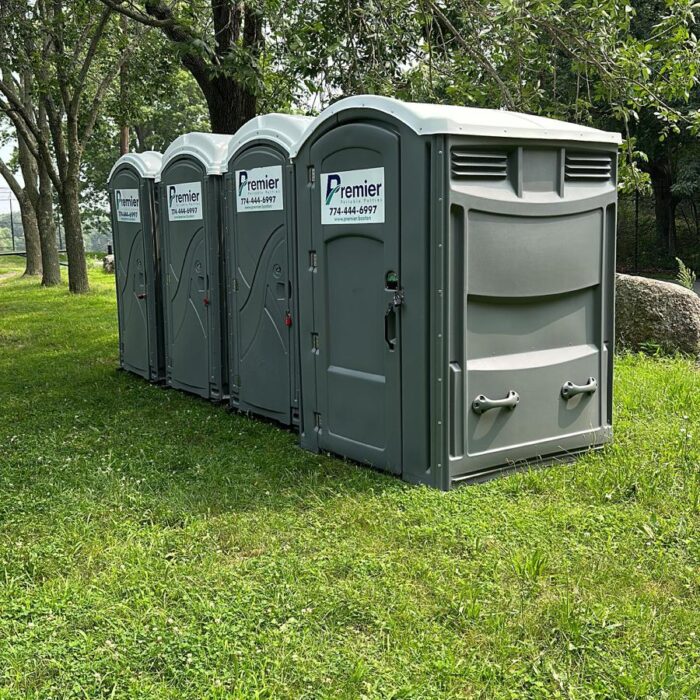
5) What kind of timeline you’re facing
If the bathroom is expected to be down for a day, you can plan one way. If there’s no clear end date, you plan differently, including service frequency and potentially adding units.If you’re in the Boston area and searching for Porta Potty Rental Boston, you’ll often portable toilets to rent find that the local response time depends heavily on these factors. A quick delivery is possible when the access story is straightforward. When it’s not, the best solution might involve a different unit type or a slightly different drop-off plan.
Sizing matters more than most people expect
A lot of unpleasant surprises happen because one porta potty is used where two were needed, or a rental is placed but not serviced often enough. Emergency situations are notorious for changing attendance counts. People arrive late, more workers get added, or a delay turns into a longer wait.
I remember a night rental where one unit was delivered for a small crew. It stayed manageable until a winter storm hit and the crew rotated more frequently. Suddenly, the “small crew” schedule became a steady flow of people. The unit wasn’t failing right away, but it began to smell sooner than expected because usage had shifted.
Sizing doesn’t have to be perfect, but it should be thoughtful. A rental company can guide you if you provide the best estimate you have. In my experience, it’s better to slightly overestimate in an emergency than to under-plan and then scramble.
Placement: the difference between “it works” and “it works well”
In a panic, people pick a spot that feels practical: near the work area, by the driveway, somewhere people will notice it. That’s normal. But placement affects privacy, safety, and maintenance.
A few placement realities that come up repeatedly:
- If the unit is too far from where people are, they will resist using it. That resistance often leads to bathroom avoidance and messier solutions elsewhere.
- If it’s placed in an area where the ground is uneven or soft, the unit can shift, and that can complicate maintenance and sanitation.
- If it’s placed downwind from a sensitive door or walkway, odors travel further than you expect.
A common scenario in residential emergencies is when the “obvious place” is right near a main entrance. It might be the closest spot, but it might also be the spot where smells and traffic bump into everyday routines. Adjusting placement by even a little can make the rental feel more tolerable.
What about accidents, mess, and contaminated situations?
Accidents are where people get nervous, and they should. If someone has been hurt, or there’s been bodily waste involved in an unusual way, you might be dealing with more than “normal use.”
Important point: a standard portable toilet rental is built for typical sanitation use, not for handling heavy contamination in the way a hazardous cleanup service would. Emergency toilet providers can help with sanitation planning, but the right response depends on the nature of the incident.
If the problem is that a bathroom is out of service due to damage, then an emergency portable toilet rental can protect occupants while repairs proceed. If the problem is a biohazard cleanup, that usually triggers a different process, involving proper cleanup procedures and, in some cases, specialized services.
What I recommend in practice is to describe the situation honestly when you call. You don’t need to overshare, but you should say whether the restroom is unavailable due to water damage, sewage backup, or something else. That lets portable toilet rental companies steer you toward the right equipment and service plan.
Service frequency: the part people forget until it hurts
A portable toilet rental is not a “set it and forget it” item, especially in emergency conditions. If the unit is heavily used, it needs servicing sooner.
Some renters think the only choice is delivery or no delivery. In reality, you’re also choosing how often the unit will be serviced, how quickly the provider can respond if usage spikes, and whether you need an additional unit to prevent overflow or odor buildup.
This is where the language “portable toilets on rent” can mislead people. Renting doesn’t only mean you get the unit, it means you get a sanitation plan. In emergencies, that plan is often the difference between a workable fix and a problem that becomes bigger than the original delay.
Cost: what drives cheap portable toilet rental and what it shouldn’t
“Cheap portable toilet rental” can be a real need, especially when a delay in repairs is adding costs elsewhere. But the cheapest option can fail you if it cuts the wrong corners.
Costs typically change based on:
- Unit type (basic vs handicap accessible, standard vs higher capacity setups when available)
- Delivery distance and whether it needs special handling for access
- Service schedule (how many pickups or cleanings are included during the rental period)
- Rental duration and how quickly it needs to be removed or serviced
If you’re comparing quotes, the most useful question is not “How low can you go?” It’s “What exactly is included for the time period we need?” Some quotes look cheaper until you realize servicing is extra or the delivery timeline is unrealistic.
If you’re in a situation where you need the unit now, you may accept a higher rate because speed matters. If you’re dealing with a longer disruption, the best value might be a slightly higher initial cost with a more stable service plan.
The best rental companies communicate this clearly. The ones that don’t might leave you guessing, and guessing is risky when you need the solution to work reliably.
A practical emergency decision guide
When I’m advising someone in a real emergency, I don’t start with complicated calculations. I start with a simple framing: if you do nothing, what’s likely to happen, and how fast can you stop the worst outcomes?
Here’s a tight decision flow that usually works in the real world:
- If people cannot access a restroom immediately, treat the situation as time sensitive and plan for delivery first, then refine.
- If the disruption is likely to last more than a day, think about service frequency and whether you will need additional units.
- If the location has access constraints, ask about placement and delivery approach before locking in the spot.
- If anyone on-site needs accessible options, request them early so the unit is available when dispatching occurs.
- If the incident involves sewage backup or unusual contamination, describe it honestly and ask what equipment and service plan fits the risk level.
That might sound obvious, but during stressful calls, people often focus only on the word “toilet” and forget that sanitation is an operating system. Emergency rentals work best when you treat them like an operational plan, not a temporary item.
What you can do while waiting for delivery
Even if your rental company is moving fast, delivery still takes time. You can reduce stress and avoid additional mess by controlling the environment around the unit.
For example, you can communicate clearly where people should go. In a construction scenario, a foreman can point workers to the portable toilet and remind them not to use other areas. In a residential situation, you can keep doors closed and direct traffic toward the new unit so you’re not walking everyone through disrupted bathrooms.
If you have temporary barriers or signage, use them. A visible approach reduces confusion and makes the unit feel like part of the site rather than a surprise placed there.
This is also the time to plan for hand hygiene. Most emergency toilet failures become hygiene failures, not mechanical ones. If you can provide hand sanitizer at the area, it makes the rental experience more responsible and less uncomfortable.
Common problems and how experienced renters avoid them
Emergency rentals are usually successful, but problems happen. When they do, they often come from predictable gaps.
One common gap is incorrect expectations about service. A renter may assume that the toilet will be serviced automatically at a convenient time, but in reality the provider’s schedule depends on route planning and usage patterns. If you expect heavy use, tell them up front. If you expect it to be light, still tell them, but don’t understate usage.
Another gap is choosing a spot that seems easy for you but is hard for servicing. If the pickup vehicle cannot access the unit, servicing becomes delayed. That’s how “it worked yesterday” turns into “why does it stink today?”
Finally, people sometimes forget weather. Snow, heavy rain, and extreme heat can affect how long a unit stays comfortable for users. Wind direction affects odor spread. Ground conditions affect stability and ease of servicing. A small amount of planning can keep the rental from becoming an ongoing distraction.
When delays stretch from hours to days
The most stressful version of emergency portable toilet rental is when the original reason for the delay becomes a longer situation. A small plumbing repair turns into waiting for parts. A venue postponement turns into a multi-day reschedule. An accident response takes longer than anyone expected.
When that happens, you want a rental plan that doesn’t require a new crisis every day.
A good rental company will help you extend service smoothly and may propose an adjustment, like adding another unit if usage increases. They can also change service frequency based on observed need. That adaptive approach is worth more than trying to micromanage the toilet yourself.
If you are dealing with a recurring disruption, the “emergency” rental can evolve into a longer temporary setup. Portable toilet rental companies that handle both emergency and longer-term needs tend to be more reliable in those shifting timelines.
A short checklist for an emergency call
When the phone rings and you need to move quickly, it helps to gather basic information. You can even write it down on your phone notes and read it off during the call.
Here are the essentials to have ready:
- Address or site location, plus any gate codes and delivery access notes
- How many people need the restroom and the rough hours of use
- Whether anyone needs accessible (handicap) access
- How long you expect the bathroom to be out of service
- Where the unit can be placed and any ground or space limitations
This keeps the conversation efficient and reduces back-and-forth that costs time. If you’re specifically looking for Porta Potty Rental Boston, these details also help local providers confirm availability and schedule sooner.
What to ask before you sign off on the rental
Once you have options, the questions you ask determine whether you get a smooth experience or a stressful one. I’ve seen renters get stuck because they didn’t ask about service timing, pickup windows, and what happens if usage is higher than expected.
Try to confirm these points up front in plain language:
- delivery timeline and what “same day” means for your address
- whether servicing is included and how it’s scheduled
- how overflow or odor issues are handled if usage changes
- the placement rules for your site, including whether the unit can be moved if needed
- how extensions work, if repairs take longer than expected
A professional portable toilet rental company will answer without drama. If the answers are vague, assume you’ll need https://www.freelistingusa.com/listings/premier-portable-potties-1 to manage more yourself than you should during an emergency.
Real-world scenarios, and how emergency rentals usually play out
Let’s make this concrete. These examples are typical, not universal, but they mirror what renters often face.
A burst pipe in a rented home
A tenant calls because the bathroom is unusable. The immediate goal is not the repair, it’s keeping daily life safe. The rental company delivers a basic unit to a driveway area, and someone sets expectations that it’s the primary restroom for the household until plumbers finish.
What determines whether one unit is enough is household size and bathroom access patterns. If it’s a family with kids, usage spikes in bursts. The renter may need servicing sooner, even if the work crew is minimal.
A construction delay with changing crews
A site loses restroom access because maintenance hasn’t finished, or a portable setup was removed before a replacement arrived. The project manager calls for emergency portable toilet rental to cover the gap.
The trick here is that crews change. A unit that works for the first shift might be inadequate for the second if extra trades join. A good rental provider will advise on quantity and servicing based on your site schedule.
A public event postponed due to weather
Guests arrive with expectations, then delays extend. People ask for restrooms, and even if vendors try to manage with temporary solutions, the demand becomes steady.
For a delayed event, you’re not just solving a convenience problem. You’re managing crowd flow. Placement near walking routes helps, but it also has to respect safety and sanitation access. In these situations, service frequency is critical because usage can be consistent for hours.
How accessible options change the plan
Some emergencies involve mobility limitations, whether due to age, injury, or temporary conditions. Accessible toilets are helpful beyond compliance. They can reduce risk for people who need more stable access and extra time for use.
If you require an accessible unit, request it early. In practice, the availability of accessible options can affect how quickly delivery is confirmed. It’s also one of the reasons why emergency calls should include details up front rather than after the fact.
If your site is tight, measure where a unit can go. If there’s a ramp or uneven ground, placement adjustments might be needed to keep access safe.
Portable Toilet Rental Boston: what local renters should watch for
Boston and nearby areas have patterns that affect logistics: street access, parking rules, and seasonal conditions. Even when the rental company is fast, delivery might be influenced by how quickly a truck can stage near your property.
If you’re looking for Porta Potty Rental Boston, keep these realities in mind:
- confirm the exact drop-off address, not just the neighborhood
- tell them if there’s no easy driveway access or if the unit needs to be placed across a walk path
- plan for weather impacts, especially in colder months when ground conditions can shift
Local providers who deliver frequently in the area tend to understand these patterns. Still, you get the best result when you share site access notes clearly.
Keeping the site respectful: privacy and communication
A portable toilet can feel uncomfortable to some people, especially in residential or community settings. You can reduce that discomfort by communicating clearly. Put it where people won’t have to search. Keep it clean by following the service plan. If there are rules for use, post them briefly and calmly.
This matters because dignity changes behavior. If people feel like the toilet is part of the plan, they’re more likely to use it appropriately. That lowers mess and makes the entire rental experience more successful.
Extending the rental without losing control
If repairs take longer than expected, you want to avoid the moment where someone realizes the unit’s rental period ends during the busiest week. The best time to discuss extension is as soon as you suspect uncertainty, not after you’re stuck.
When you call to extend, be prepared to update details:
- whether headcount changed
- whether the usage hours changed
- whether servicing needs to be adjusted
- whether accessible needs changed
A rental company that tracks usage and communicates service schedules can prevent the “it ran out” panic. Emergency portable toilet rental is built for fast starts, but the best providers are also good at steady follow-through.
Final note on judgment calls during emergencies
Every emergency has its own texture. Sometimes you need the fastest unit available. Sometimes you need an accessible option more than you need speed. Sometimes the cheapest option becomes the most expensive when it forces multiple follow-up service trips.
The right choice is the one that matches your reality, not an idealized spreadsheet. If you’re calling portable toilet rental companies, don’t be afraid to be specific. Tell them what’s happening, how many people need access, and what your site looks like. You’ll get a better recommendation, and you’ll avoid the most common failure: the plan that looked fine on paper but didn’t hold up when time became the enemy.
When accidents or delays knock your restroom offline, an emergency portable toilet rental is a practical lifeline. Done thoughtfully, it keeps people safe, keeps operations moving, and turns chaos into a manageable schedule until the real repairs are finished.
Premier Portable Potties
35 Industrial Dr, East Bridgewater, MA 02333, United States
(774) 444-6997
[email protected]
website: https://www.premier.boston/